In Memoriam: Professor Leopold Flohé
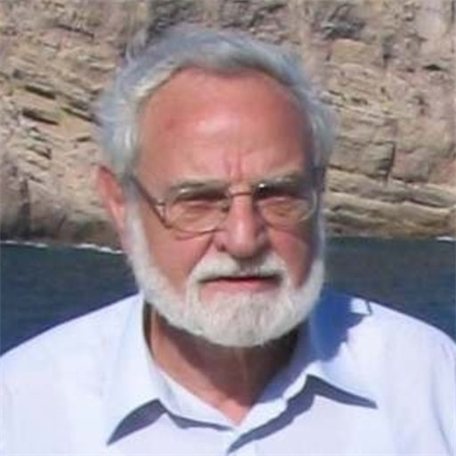 It is with profound sadness that we mourn the passing of Professor Leopold Flohé, an outstanding scientist, mentor, and one of the true pioneers of redox biology.
Leopold Flohé made seminal contributions that helped shape our present understanding of oxidative metabolism, antioxidant defense, and redox regulation. Among his most influential discoveries was the demonstration in 1973 that glutathione peroxidase is a selenium-containing enzyme, establishing the first known mammalian selenoprotein and opening an entirely new field of research into the biological functions of selenium.
His scientific interests were remarkably broad. His work contributed to the early understanding of mitochondrial superoxide production, the biochemistry and physiological roles of glutathione peroxidases, and, later, the characterization of phospholipid hydroperoxide glutathione peroxidase, now known as GPX4. He also made important contributions to the study of thiol-dependent hydroperoxide metabolism in trypanosomatids and other microorganisms, connecting fundamental redox biochemistry with the search for new therapeutic targets.
Leopold's scientific career crossed traditional boundaries between academia, biotechnology, pharmacology, and industry. He held academic positions at the Universities of Tübingen, Aachen and Braunschweig, served as Scientific Director of the German biotechnology research center that later became part of the Helmholtz Centre for Infection Research, and remained scientifically active internationally well beyond his formal retirement.
His contributions were recognized by numerous honors, including the Klaus Schwarz Commemorative Medal, the Science and Humanity Prize of the Oxygen Club of California, and the Trevor Frank Slater Award and Gold Medal of the Society for Free Radical Research International. In 2010, he was formally recognized as a Redox Pioneer, an acknowledgement that particularly well reflects his lasting influence on our field.
However, Leopold's contribution cannot be measured only through discoveries, publications, or awards. Generations of scientists knew him as a rigorous and independent thinker, someone with an exceptional knowledge of biochemistry and an enduring curiosity about how biological systems control reactive species. He witnessed—and actively contributed to—the transformation of the field from the early concept of antioxidant defense to the much broader understanding of redox signaling and regulation that defines redox biology today.
His relationship with the free radical and redox community was especially important. Through decades of participation in scientific meetings, collaborations, discussions, and mentoring, he became part of the intellectual history of our Society and of the field itself. The Leopold Flohé Redox Pioneer Young Investigator Award, established in his name by SFRR-Europe, will continue to remind younger generations of his scientific legacy and of the standards of originality and independence that characterized his career.
The redox community has lost one of its founding figures. His ideas, discoveries, and scientific spirit will remain deeply embedded in the field he helped to create.
We extend our deepest condolences to his family, friends, colleagues, former students, and all those who had the privilege of knowing and working with him.
Beyond his scientific achievements, he will be remembered as a thoughtful and inspiring colleague. To his friends, he was affectionately known as “Polde”—warm, generous, and often very funny, with a great sense of humor and a talent for sharing a well-timed joke. He was also a deeply devoted husband to his wife, Regina Brigelius-Flohé, with whom he shared both life and a remarkable scientific journey.
We extend our deepest condolences to his family, friends, colleagues, and all those who had the privilege of knowing him.
Leopold will be greatly missed, but his scientific legacy will endure!
Giuseppe Valacchi
On behalf of the SFRR-Europe and the Redox Biology community