
Dear fellow researchers,
As we continue into the year, we’re delighted to bring you the latest newsletter from the SFRR-E ECR community, full of exciting updates and upcoming activities. With renewed energy, we move forward ready to put into practice the goals and objectives we’ve set for ourselves to continue supporting and being of service to the redox ECR community.
In this issue, we’re excited to announce the call for new members of the ECR subcommittee! Moreover, we share the newly launched webinar calendar, designed to help you stay up to date and never miss an upcoming session. We also announce our next SFRR-E ECR Webinar, taking place on 3rd February, bringing fresh ideas and inspiration for the months ahead. Finally, we share a recap of our January webinar, featuring two excellent talks packed with valuable insights for early-career scientists.
And of course, as always, you’ll also find upcoming deadlines, interesting events, paper calls, fresh redox reads, and job opportunities you won’t want to miss.
Join the ECR Subcommittee – Applications Now Open!
Are you an Early Career Researcher and keen to get more involved in the redox community? Then this is for you!
We’re looking for new, motivated members to join our SFRR-E ECR Subcommittee - and we’d love to hear from you.
You can apply if:
- You’re under 40, and/or
- You defended your PhD within the last 10 years
- This is a fantastic chance to shape ECR activities, connect with fellow researchers, and help build a vibrant, supportive ECR network.
- Deadline: 22 February 2026
- Apply here: https://www.surveymonkey.com/r/PR3XQSQ
Don’t be shy - jump in and get involved!
New! Subscribe to our webinar calendar
To make it easier than ever to stay up to date, we’ve launched a dedicated webinar calendar. By adding it once, you’ll automatically see all current and future SFRR-E ECR webinars in your calendar - no need to add each session individually.
Add the webinar series calendar here:
- so you never miss a webinar!
Next SFRR-E ECR Webinar - February 3rd!
We’re excited to announce February’s webinar and keep the moment going with the sixth session of the SFRR-E ECR webinar series, “Emerging Leaders in Redox Biology”, taking place on February 3rd, 2026! This series is dedicated to showcasing early-career researchers who are pushing the boundaries of redox biology. We’re looking forward to another engaging afternoon of learning, discussion, and connection. This session will focus on the fascinating topic of “Redox regulation in cardiovascular diseases”, with presentations from two exceptional researchers: Eloisa Vilas Boas and Janina Frisch. Join us at 15:00 CET for an exciting deep dive into cutting-edge redox research!
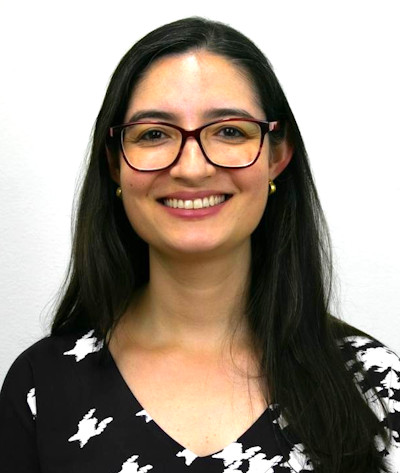 Beta-Cell Dysfunction in Diabetes: Redox Mechanisms and Beyond
Eloisa Vilas Boas, PhD
Department of Clinical and Toxicological Analysis, School of Pharmaceutical Sciences, University of Sao Paulo, Brazil
Eloisa is an Assistant Professor at the Department of Clinical and Toxicological Analysis, School of Pharmaceutical Sciences, University of Sao Paulo (USP, Brazil), where she leads research on pancreatic beta-cell pathophysiology, focusing on the interplay between redox state and calcium homeostasis. She obtained her BSc in Pharmacy-Biochemistry (2011) and her MSc (2013) and PhD (2020) in Physiology and Biophysics, all from the University of Sao Paulo. During her PhD, co-supervised by Professors Angelo Carpinelli and Fernanda Ortis, she investigated the role of NADPH oxidase-derived reactive oxygen species (ROS) in cytokine- and fatty acid-induced beta-cell dysfunction and death. As part of her doctoral training, she conducted a 12-month research at Saarland University (Homburg, Germany) in the lab of Prof. Leticia Roma, supported by DAAD (GradUS Global) and EFSD (Albert Renold Travel Fellowship), where she applied advanced redox imaging techniques using transgenic mice expressing the redox sensor roGFP2-Orp1. Her doctoral work provided novel insights into the real time redox regulation of beta-cell stress responses, leading to several academic awards, including the Best PhD Thesis Award from her department. In 2021, she joined the Energy Metabolism Laboratory at the Institute of Chemistry (USP) for her postdoctoral training with Prof. Alicia Kowaltowski, where she explored mitochondrial calcium transport as a key regulator of hepatic oxidative phosphorylation—work published in the Journal of Biological Chemistry and listed among the journal’s most read papers in 2021. Her current research aims to elucidate how redox and calcium signaling shape beta-cell function, survival, and adaptation to metabolic stress, using innovative live-cell imaging tools to quantify reactive oxygen species and calcium dynamics.
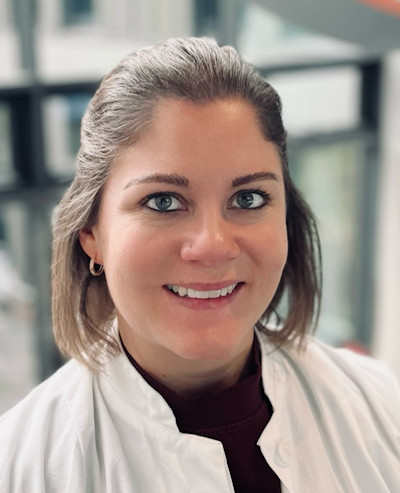 Redox signaling and ferroptosis in cardiovascular complications during chronic kidney disease.
Janina Frisch, PhD
Department of Biophysics/Redox Physiology, University of Saarland, Germany
Janina is a postdoctoral researcher at Saarland University in Germany in the group of Prof. Leticia Prates Roma at the Department of Biophysics/Redox Physiology. She studied Biomedicine at Johannes Gutenberg University in Mainz and began working on viral gene transfer in the field of orthopaedics during her PhD. She later continued with a focus on gene therapy at the Paul Ehrlich Institute in Frankfurt, where she worked on tumor-specific delivery of immune checkpoint inhibitors using viral vectors. Her passion for redox biology grew when she started her current postdoctoral position, where she focuses on how redox metabolism and reactive oxygen species govern cellular adaptation in cardio-renal complications. Her methodological expertise includes genetically-encoded redox biosensors, molecular biology techniques, functional cellular readouts, and in vivo experimental models. One of her major projects is to investigate ferroptosis as a potential therapeutic target for treating cardiomyopathy in patients with chronic kidney disease.
How can I join the webinar?
https://us06web.zoom.us/j/86469731540?pwd=cQW0yK5sNCPXO5sSOcaoBHaZPy2Tu8.1
Passcode: 433382
Don’t miss this inspiring continuation of the series! Mark your calendars, spread the word, and join us online for a stimulating session! We look forward to seeing you there and to another season of groundbreaking science and lively discussions with the SFRR-E ECR community.
Summary of January’s webinar:
On January’s webinar we learnt about ”Computational Redox Biology” with two wonderful talks by Cameron Schmidt and Karen Guerrero Vazquez. If you didn’t have a chance to follow the webinar, here’s a summary for you.
 NAD(P)H Redox State as a Mechanism for Fine Tuning Microswimmer Search Strategies
Cameron Schmidt, PhD
Department of Biology, East Carolina University, USA
How do sperm cells decide how to move, and what does metabolism have to do with it? For mammalian sperm, finding an egg is no easy task. It must navigate complex and changing microenvironments shaped by the reproductive tract, relying on both signaling cues and metabolic resources to guide their movement. In this seminar, Cameron Schmidt explored how metabolism and redox state intersect to influence sperm energetics and behavior. Using an integrative combination of experimental work and computational modeling, Cameron shared with us how mouse sperm mitochondria oxidize lactate rather than glucose or pyruvate as a dominant energy source. Lactate-supported metabolism leads to high mitochondrial activity, a reduced redox state, and elevated ATP turnover. Surprisingly, pyruvate inhibits lactate oxidation, depolarizes mitochondrial membrane potential, and shifts cells toward increased glycolysis, revealing a little-explored redox-sensitive metabolic switch. By linking these metabolic states to sperm motility, Cameron demonstrated that lactate favors straighter, more efficient swimming paths, whereas pyruvate promotes movement aimed for local wandering. This suggests that sperm may use metabolic cues as a form of conditional sensing, adjusting their movement strategies depending on proximity to the egg.
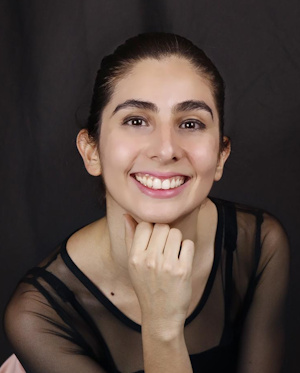 miRKat: A Novel Computational Suite for MicroRNA Regulatory Network Analysis
Karen Guerrero Vazquez, PhD
University of Galway, Ireland
Can algorithms help us fight muscle aging? As we grow older, our muscles gradually lose mass and strength in a process called sarcopenia. Yet, despite its prevalence, there is still no effective therapy beyond diet and exercise. At the molecular level, aging is accompanied by a broad dysregulation of gene expression, including post-transcriptional control by microRNAs (miRNAs), which are small regulators capable of influencing entire gene networks. In this webinar, Karen Guerrero shared with us miRKat, a new computational suite designed to study the complexity of miRNA–gene interactions in aging muscle. Using transcriptomic analyses, miRKat is able to rank miRNAs based on their regulation influence within a gene network. With sarcopenia as a model study, Karen showed how miRKat has been able to integrate differential gene expression across age groups with tissue specificity. This strategy has already highlighted candidate miRNAs linked to muscle aging, mitochondrial function, apoptosis, and oxidative stress. Importantly, the approach recovers known miRNA, while also has identified less-studied, muscle-specific miRNAs with potential therapeutic relevance.
Remember that you can also watch recordings of the webinars through the SFRR-E intranet!
Reading for the year ahead
As we continue into the year, it’s a great moment to reflect on goals and build momentum for what’s ahead. Nature has put together a curated list of nine books to help shape your science career in 2026, offering inspiration and practical advice on career development, communication, wellbeing, international mobility, and navigating life as an early-career researcher. If you’re curious or don’t want to miss this thoughtful selection, be sure to check it out: https://www.nature.com/articles/d41586-025-04101-5
Want to know more about what we do? You’ll find all the info about the ECR Subcommittee on the SFRR-E website. For regular updates, follow us on Instagram (@sfrr_ecr), Bluesky (@sfrre-ecr.bsky.social) Twitter/X (@SFRR_Europe), and LinkedIn (SFRR-E).
Got a question, idea, or just want to say hi? Drop us an email at
- The ECR Subcommittee Team
 Upcoming Events You Won’t Want to Miss:
SFRR-E Annual Meeting
- Redox Biology, environmental exposures and lifestyle
- Mainz, Germany | 3–5 June 2026
- Abstract deadline: 14 February | Early registration deadline: 21 March
- More info
Gordon Research Seminar (GRS) Thiol-Based Redox Regulation and Signaling
- Molecular Mechanisms and Therapeutic Innovation in Redox Signaling
- Castelldefels, Spain | 11–12 July 2026
- Speaker abstract deadline: 5 April | Registration deadline: 13 June
- More info
Gordon Research Conference (GRS) Thiol-Based Redox Regulation and Signaling
- Bridging Redox Chemistry to Biology, Aging and Disease
- Castelldefels, Spain | 12–17 July 2026
- Registration deadline: 14 June
- More info
The Society for Redox Research Australasia & International Human Peroxidase Joint Meeting
- Christchurch, New Zealand | 2–4 September 2026
- Abstract deadline: 1 July | Early registration deadline: 17 July
- More info
17th International Conference on Reactive Oxygen and Nitrogen Species in Plants
- Granada, Spain | 9–11 September 2026
- Abstract deadline: 2 May | Registration deadline: 30 June
- More info
23rd Biennial Meeting of SFRR International 2027
- Redox Frontiers 2027: Expanding Horizons with New Concepts and Technologies
- Sendai, Japan | 28–31 March 2027
- More information coming soon
- More info
 Redox Reads Worth Your Time:
 Research Articles
Huggler, K.S., Flickinger, K.M., Forsberg, M.H. et al. Hexokinase detachment from mitochondria drives the Warburg effect to support compartmentalized ATP production. Nat Metab (2026). https://doi.org/10.1038/s42255-025-01428-1
Safi, M.T., Bangash, S.A.K., Ugalde, J.M., et al. Root growth in Arabidopsis depends on the amount of glutathione and not the glutathione redox potential. J Exp Bot (2026). https://doi.org/10.1093/jxb/erag017
Castillo, J.G., Silveria, S., Schirokauer. L., et al. Selective disruption of lipid peroxide homeostasis in intratumoral regulatory T cells by targeting FSP1 enhances cancer immunity. Sci Adv (2026). https://doi.org/10.1126/sciadv.aea3703
Rullo, A., Flowers, B., Chang, K., et al. Unravelling the anti-cancer mechanisms elicited by non-covalent thioredoxin reductase inhibitors for triple negative breast cancer therapy. Redox Biol (2026). https://doi.org/10.1016/j.redox.2025.103980
 Reviews to Think About
Wang, J., Li, R. & Qian, L. Intercellular mitochondrial transfer rewires redox signaling and metabolic plasticity: mechanisms, disease relevance and therapeutic frontiers. Redox Biol (2026). https://doi.org/10.1016/j.redox.2026.104019
Winterbourn, C.C. Peroxiredoxins: Antioxidant Activity, Redox Relays, and Redox Signaling. Biochemistry (2025). https://doi.org/10.1021/acs.biochem.5c00500
Naumov, L.L., Sergeeva, A.D., Katrukha, V.A., et al. In vivo studies of redox biochemistry in vertebrate tissues - present successes and future horizons. Redox Biochem Chem (2026). https://doi.org/10.1016/j.rbc.2025.100069
Pennington, E.R., Kinerson, E., Masood, S., et al. Evaluating real time intracellular redox toxicology using live-cell imaging approaches. Redox Biochem Chem (2026). https://doi.org/10.1016/j.rbc.2026.100070
Curtis, W.C. & Bradshaw, P.C. Superoxide signals for the mitophagy of dysfunctional mitochondria to maintain quality control. Redox Biol (2026). https://doi.org/10.1016/j.redox.2025.103979
 New Protocols
Guo, Q., Wang, M.L., Schwaiger-Haber, M., et al. Rapid quantitation of NAD+/NADH and NADPH/NADP+ with mass spectrometry by using calibration constants. Redox Biol (2026). https://doi.org/10.1016/j.redox.2025.103953
 Preprints We’re Watching
Cavalcante, G.C. & Kowaltowski, A.J. An Open-Source Code To Analyze Mitochondrial Intracellular Distribution From Fluorescence Microscopy Images. BioRxiv (2026). https://doi.org/10.64898/2026.01.06.697902
 Call for Papers:
Journal: Redox Biochemistry and Chemistry
- Special Issue: Redox Metals in Health and Disease
- Submission Deadline: 28 February 2026
- More info
 Redox Jobs Board:
Type of position: Tenure-track Assistant Professor
- Research topic: Biochemical and/or biophysical approaches to modern biology, including protein and nucleic acid function and dynamics, metabolism, microbial biology, and cancer biology
- Institute or university: Department of Biological Sciences, Columbia University, New York, USA
- Deadline: Open until filled (review of applications begins immediately)
- Contact info: Applications must be submitted through Columbia University’s Academic Search and Recruiting (ASR) system
- Additional details or link: https://apply.interfolio.com/179345
Type of position: Postdoctoral position
- Research topic: Metabolic Regulators of Cancer Epigenetics
- Institute or university: Moffitt Cancer Center, USA
- Deadline: Call open until filled
- Contact info: Marcelo Bonini (
This email address is being protected from spambots. You need JavaScript enabled to view it. ) - Aditional details: https://moffitt-cancer-center-careers.hctsportals.com/jobs/2115134-postdoctoral-fellow-focus-on-metabolic-regulators-of-cancer-epigenetics
Got a position open for a PhD student, postdoc, or technician in redox research?
Want to feature it in our next newsletter? Send us the details at
Type of position (PhD student, Postdoc, etc)
- Research topic
- Institute or university
- Deadline
- Contact info
- Additional details or link