
Dear fellow researchers,
As we head toward the end of the year, we’re back with another round of exciting updates from the SFRR-E ECR community!
In this issue, we’re excited to announce our next webinar taking place on 2nd December. We also bring you a recap of the 3rd PhD Symposium, two fantastic days of cutting-edge redox science delivered by an inspiring group of emerging researchers. You’ll also find everything you need to know about the SFRR-E Travel Awards for the 2026 Annual Meeting in Mainz, an excellent opportunity to share your work with the wider redox community.
This month, we also share the highlights from the November webinar, featuring two excellent talks packed with insights for early-career scientists. And don’t miss our Meet the Expert section, where we had the pleasure of interviewing Prof. Isabel Fabregat - a deep dive into career paths, scientific inspiration, and her vision for the future of redox biology.
And of course, as always, you’ll also find upcoming deadlines, interesting events, paper calls, fresh redox reads, and job opportunities you won’t want to miss.
Next SFRR-E ECR Webinar – December 2nd!
We’re thrilled to keep the momentum going with the fourth session of the SFRR-E ECR webinar series, “Emerging Leaders in Redox Biology”, taking place on December 2nd, 2025! This series is dedicated to showcasing early-career researchers who are pushing the boundaries of redox biology. We’re looking forward to another engaging afternoon of learning, discussion, and connection. This time, we’ll explore the captivating topic of “Redox mechanisms in Aging”, with presentations from two exceptional researchers - Claudia Lennicke and Anna Gioran. Join us at 15:00 CET for an exciting deep dive into cutting-edge redox research!
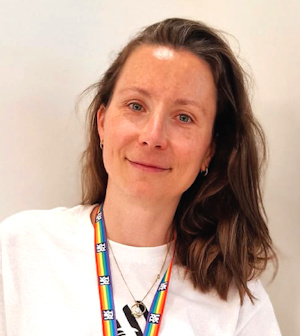
Profiling of cysteine oxidation by unbiased redox proteomics reveals sex-dependent patterns during ageing
Claudia Lennicke, PhD
MRC London Institute of Medical Sciences, Institute of Clinical Sciences, Imperial College London, UK
Dr Claudia Lennicke is originally from Germany and obtained her PhD from the Martin Luther University Halle-Wittenberg, where she developed a strong interest in redox signalling. Her doctoral work focused on how selenocompounds shape cellular redox balance and how tumours evade immune surveillance. In 2018, Claudia joined the Cochemé Lab at the MRC Laboratory of Medical Sciences (LMS) in London as a postdoctoral researcher. There, she investigates fundamental mechanisms of redox regulation in metabolism and ageing using Drosophila melanogaster. Claudia is now a devoted fan of Drosophila, and has been involved in many outreach and engagement initiatives, highlighting the power and tractability of the fly to study longevity. Her research is focused on discovering specific redox-sensitive proteins involved in lifespan regulation, using a combination of unbiased redox proteomics and targeted genetic knock-in approaches, exploring how oxidative processes shift across tissues and sexes during ageing.
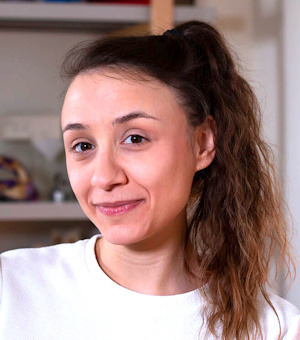
When mitochondria falter: Impact on longevity and link to proteostasis
Anna Gioran, PhD
Chair of Biomaterials, University of Bayreuth, Germany
Anna's interests mainly revolve around the development of mitochondrial disease models that will help understand the disease and, most importantly, be useful in the detection of counteracting compounds. She studied biology at the University of Athens in Greece and moved to the DZNE, Bonn, Germany for her PhD. During her time as a PhD student (2012-2015) she studied the effects of mitochondrial deficiency on the nervous system of the nematode C. elegans. During her first postdoctoral work she broadened her focus and looked at the overall consequences of mitochondrial deficiency on the metabolism of the nematode. At the same time she participated in several projects that attempted to model mitochondrial disease in nematode, cellular and mouse models. After this, she occupied another postdoctoral position for the purposes of which she studied the role of mitochondria in proteostasis-related longevity paradigms. Her experience made her realize the serious lack of accurate models of mitochondrial diseases which are necessary for the discovery of treatments. To address this major gap, she has now moved to the University of Bayreuth where, in collaboration with a team of bioengineers, she is attempting to develop metabolically accurate engineered tissue with the ultimate goal to generate in vitro models of mitochondrial disease. Despite years of studying mitochondria, Anna admits they still manage to surprise her-usually right after she has told someone an experiment “should be straightforward.”.
Don’t miss this inspiring continuation of the series! Mark your calendars, spread the word, and join us online for a stimulating session! We look forward to seeing you there and to another season of groundbreaking science and lively discussions with the SFRR-E ECR community.
How can I join the webinar?
https://us06web.zoom.us/j/86469731540?pwd=cQW0yK5sNCPXO5sSOcaoBHaZPy2Tu8.1
Passcode: 433382
 3rd PhD Symposium — A Fantastic Edition!
Our 3rd edition of the PhD Symposium “Redox Relay Race: PhD Students on the Move”, held on 18-19 November 2025, was truly inspiring! We enjoyed two fantastic days of science, filled with high-quality presentations, fresh perspectives, and outstanding enthusiasm from all participating students. Their work showcased the diversity and excellence of early-career research across the redox field, and we couldn’t be prouder of the community they represent.
Stay tuned - the winners of this year’s awards will be announced on Tuesday 2nd December, during our next ECR webinar!
 SFRR-E Travel Awards – Mainz 2026
Ready to take your science on the road?
We’re excited to announce that SFRR-E Travel Awards will be available for students and postdocs to attend the 2026 SFRR-E Annual Meeting “Redox Biology, Environment Exposures and Lifestyle”, taking place in Mainz, Germany (3-5 June 2026).
What’s on offer?
- Europe-based applicants: €400 travel grants for PhD students or postdocs (≤5 years post-PhD, non-permanent positions).
- Outside Europe: €900 travel awards for SFRR-E or Regional SFRR Society members under the same conditions.
- (Note: previous SFRR-E Travel Grant or Young Investigator Award recipients are not eligible.)
Who can apply?
- PhD students and postdocs who are current members of SFRR-E (or a Regional SFRR Society outside Europe) and meet the eligibility criteria above.
How to apply
- Submit your application as a single PDF via the SFRR-E intranet (https://intranet.sfrr-europe.org) and select the option “Travel Awards for SFRR-E Mainz” in the menu on the left.
- Your PDF should include:
- CV (max 2 pages, including PhD start/award date)
- Motivation letter
- Abstract intended for presentation
- (Incomplete applications will not be considered.)
Important dates
- Deadline: 12 January 2026
- Results announced: before 26 January 2026 (abstract submission deadline)
- Funds will be transferred after proof of registration and abstract submission.
- Conference website: www.sfrremainz2026.com
- Questions? Contact
This email address is being protected from spambots. You need JavaScript enabled to view it.
Don’t miss your chance to join us in Mainz - and take your redox research further than ever!
Interview with Dr. Isabel Fabregat: How to Craft a Competitive Scientific Project Proposal
About Dr. Isabel Fabregat
Dr. Isabel Fabregat is a leading researcher in cancer biology and a dedicated mentor to early-career scientists. She leads a research group at IDIBELL (Institut d’Investigació Biomèdica de Bellvitge) in Barcelona, Spain. Throughout her career, she has combined cutting-edge biomedical research with an unwavering commitment to mentoring young scientists.
In this conversation, she shares her practical advice and reflections on how to write strong scientific proposals, develop independence, and grow with confidence as a researcher.
“New technologies can always be learned. What matters most is your attitude and your potential to grow.”
Q: What are some strong points in an application or interview for a postdoctoral position? What should applicants avoid?
A strong application begins with a well-prepared CV that highlights your relevant research experience, fellowships, participation in projects, and outputs such as publications, conference presentations, or awards. Teaching experience and academic recognitions can also strengthen your profile.
It’s important to show motivation - that you are genuinely interested in the research line of the group and can explain how this postdoc will contribute to your future career. Tell reviewers why you are a good fit by describing your goals and how they align with the position.
Avoid underselling yourself or expressing uncertainty about being ready. Remember: new technologies can always be learned. What matters most is your attitude and your potential to grow.
“Be confident in your potential and persistent in your goals. Every successful researcher has faced rejection and learned from it.”
Q: When evaluators look at a CV for a postdoctoral grant, what are they expecting to see?
They expect a clear narrative of your scientific development. For a first postdoc, evaluators understand that your PhD work might not yet be fully published. In that case, emphasize your experience and the skills you have acquired.
For a second postdoc, your thesis should already be published, and the focus should shift to your postdoctoral experience - even if the results are not yet out. Evaluators want to see continuity, productivity, and clear progression in your scientific maturity.
Q: For someone preparing their first grant as a principal investigator (PI), should the topic be different from their postdoctoral research?
Your first grant can absolutely be related to your postdoctoral research if you feel comfortable in that area. However, it must bring something new — new questions, new approaches, and a clear demonstration of independence from your postdoctoral supervisor.
Even if you remain in the same laboratory, your proposal should make your scientific autonomy evident. Once funded, you should also ensure that the resulting publications list you as the corresponding author.
Q: How ambitious should a first independent project be? What aspects deserve special attention?
Ambition is important, but it must be realistic. The scale of your project should fit the size and resources of your team. If you are working mostly on your own, make sure the objectives are achievable within the available budget and timeframe.
Feasibility - both logistical and financial - is key. At the same time, reviewers appreciate when proposals include cutting-edge technologies or innovative elements. Always verify that your project aligns with the call’s objectives and thematic priorities.
Remember that reviewers assess not only the science but also the PI’s CV, the team, and the potential impact - especially in biomedical research, where translational and patient benefits are valued.
“Start early, seek feedback, and always check that your proposal truly fits the call.”
Q: What advice would you give for writing a first project proposal as PI?
Start early - ideally several months before the deadline, or even longer if you are applying for large grants such as ERC Starting Grants. Reserve plenty of time for feedback and revision.
Understand the call in detail and constantly check that your proposal matches the listed criteria. Clarity is essential: choose a concise, accessible title and an abstract that can be understood even by non-specialized reviewers.
Write in a clear, direct style with short sentences. The limited space is a good thing - it forces you to focus on the essentials.
Don’t be afraid to “sell yourself”: include a complete CV and, when possible, explain the relevance of your most important papers, especially as evaluation systems move away from journal impact factors (as encouraged by DORA).
In the research plan, balance high risk and high gain with feasibility. Clearly describe the state of the art, your hypothesis, objectives, and work plan. Define milestones and deliverables, include a Gantt chart, and explain the expertise of each team member.
Finally, don’t forget aspects such as dissemination, ethics, gender balance, and technology transfer - these are increasingly important in modern grant evaluations.
Q: Any final words of encouragement for early-career scientists?
Be confident in your potential and persistent in your goals. Every successful researcher has faced rejection and learned from it. Preparing a proposal is not only about getting funding - it’s a process that strengthens your ability to think critically, plan effectively, and communicate your science. These skills will serve you throughout your career.
“Preparing a proposal is not only about getting funding - it’s a learning process that will serve you throughout your career.”
We thank Dr. Isabel Fabregat for sharing her inspiring insights with the SFRR-E ECR community. Her practical advice and generous mentorship continue to guide many young scientists on their journey toward independence and scientific excellence.
Summary of November's webinar:
On November’s webinar we learnt about ”Mitochondrial dysfunction and redox homeostasis” with two wonderful talks by Michaela Veliova and Christopher Carlein. If you didn’t have a chance to follow the webinar, here’s a summary for you.
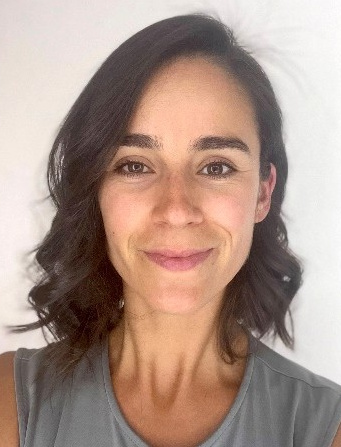
Cardiac Mitochondrial Heterogeneity and Bioenergetics Are Shaped by Intracellular Ribosome Distribution
Michaela Veliova, PhD
Spanish National Center for Cardiovascular Research (CNIC), Spain
Michaela Veliova’s project explored how cardiac mitochondrial heterogeneity and bioenergetics are shaped by intracellular ribosome distribution. Cardiomyocyte mitochondria are segregated into two populations, interfibrillar mitochondria (IFM) and subsarcolemmal mitochondria (SSM), which differ in morphology, protein composition and bioenergetic capacity. However, the mechanisms establishing and maintaining these specialized mitochondrial populations remain largely unknown. Through proteomic analyses, Michaela identified distinct cytoplasmic ribosomal proteins associated with each mitochondrial population, suggesting that localized translation may contribute to their functional differences. Notably, she found that the myocyte specific ribosomal protein RPL3L is enriched in the IFM fraction. Loss of RPL3L altered IFM fuel preference and bioenergetic capacity, highlighting its role in maintaining mitochondrial specialization. Moreover, she showed that RPL3L expression was significantly reduced in aged hearts, which correlated with impaired IFM function. These findings suggest that ribosomal protein distribution influences mitochondrial identity and may offer new insights into the molecular basis of cardiac aging.

Adaptive Mechanisms in Pancreatic Islets Counteract Mitochondrial Dysfunction in Barth Syndrome
Christopher Carlein, PhD
Oxford Centre for Diabetes, Endocrinology and Metabolism, University of Oxford, UK
Christopher Carlein’s project examined how adaptive mechanisms in pancreatic islets counteract mitochondrial dysfunction in Barth Syndrome. Pancreatic islets rely heavily on functional mitochondria to regulate blood glucose levels. Christopher investigated the functionality of pancreatic islets in Barth syndrome, a mitochondrial disorder caused by mutations in the Tafazzin (TAZ) gene that lead to dysfunctional cardiolipin remodelling. Mature cardiolipin is essential for cristae formation in the inner mitochondrial membrane. Using a mouse model of global Taz knockdown (Taz-KD), he found that systemic and islet-specific compensatory mechanisms preserve insulin secretion in vivo in Taz-KD mice. These mechanisms included increased mitochondrial volume, glucose uptake and plasma FGF-21 levels. However, when the direct effects of Taz-KD islets were investigated in vitro, without the influence of systemic adaptations, impaired pancreatic islet functionality was observed, characterized by increased oxidative stress, decreased mitochondrial respiration and insulin secretion. Treatment with recombinant FGF-21 rescued insulin secretion deficiency, highlighting the role of FGF-21 in maintaining islet function and glucose homeostasis.
Together, their presentations highlighted both mechanistic insights and potential interventions linking mitochondrial and redox biology to systemic disease
Remember that you can also watch recordings of the webinars through the SFRR-E intranet!
Want to know more about what we do? You’ll find all the info about the ECR Subcommittee on the SFRR-E website.
For regular updates, follow us on Instagram (@sfrr_ecr), Bluesky (@sfrre-ecr.bsky.social) Twitter/X (@SFRR_Europe), and LinkedIn (SFRR-E).
Got a question, idea, or just want to say hi? Drop us an email at
- The ECR Subcommittee Team
 Upcoming Events You Won’t Want to Miss:
SFRR-E Annual Meeting
- Redox Biology, environmental exposures and lifestyle
- Mainz, Germany | 3-5 June 2026
- Abstract submission and registration will open 1 November
- Call for Symposia and Honorary Lectures deadline: 20 September
- More info
The Society for Redox Research Australasia & International Human Peroxidase Joint Meeting
- Christchurch, New Zealand | 3-4 September 2026
- Abstract deadline: 1 July | Early registration deadline: 17 July
- More info
17th International Conference on Reactive Oxygen and Nitrogen Species in Plants
- Granada, Spain | 9-11 September 2026
- Abstract deadline: 2 May | Registration deadline: 30 June
- More info
23rd Biennial Meeting of SFRR International 2027
- Redox Frontiers 2027: Expanding Horizons with New Concepts and Technologies
- Sendai, Japan | 28-31 March 2027
- More information coming soon
- More info
 Redox Reads Worth Your Time:
Research Articles
Zarges, C., Fieler, H., Rothemann, R.A., et al. The mitochondrial disulphide relay substrate FAM136A safeguards IMS proteostasis and cellular fitness. Redox Biol (2025). https://doi.org/10.1016/j.redox.2025.103884
Lange, M., Wölk, M., Li, V.W. et al. FSP1-mediated lipid droplet quality control prevents neutral lipid peroxidation and ferroptosis. Nat Cell Biol (2025). https://doi.org/10.1038/s41556-025-01790-y
Palma, M., Chaufan, M., Breuer, C.B. et al. Lymph node environment drives FSP1 targetability in metastasizing melanoma. Nature (2025). https://doi.org/10.1038/s41586-025-09709-1
Wu, K., Vaughan, A.J., Bossowski, J.P. et al. Targeting FSP1 triggers ferroptosis in lung cancer. Nature (2025). https://doi.org/10.1038/s41586-025-09710-8
Barnett, D., Zimmer, T.S., Booraem, C. et al. Mitochondrial complex III-derived ROS amplify immunometabolic changes in astrocytes and promote dementia pathology. Nat Metab (2025). https://doi.org/10.1038/s42255-025-01390-y
Serra, M., Smiriglia, A., Migliore, C. et al. Lead induces cell-autonomous proliferation and metabolic reprogramming of hepatocytes. Cell Death Dis (2025). https://doi.org/10.1038/s41419-025-08134-6
Xiao, H., Ordonez, M., Fink, E.C. et al. Covariation MS uncovers a protein that controls cysteine catabolism. Nature 647, 268–276 (2025). https://doi.org/10.1038/s41586-025-09535-5
Shen, T.K., Vignane, T., Gilglioni, E.H., et al. Metabolic dysfunction-associated steatohepatitis reduces hepatic H2S-producing enzymes altering persulfidome composition. Redox Biol (2025). https://doi.org/10.1016/j.redox.2025.103809
Derismahafi, Z., Farhud, D., Razavirad, A. et al. NRF2 expression level and estrogen function in BRCA1-mutated breast cancer. BMC Cancer (2025). https://doi.org/10.1186/s12885-025-14781-x
Chen, J., Yap, M.C., Bassot, A., et al. The ER thioredoxin-related transmembrane protein TMX2 controls redox-mediated tethering of ER-mitochondria contacts. Cell Rep (2025). https://doi.org/10.1016/j.celrep.2025.116486
 Reviews to Think About
Pan, H., Yin, F. Mitochondrial ROS sources steer neuroinflammation. Nat Metab (2025). https://doi.org/10.1038/s42255-025-01391-x
Qi, Y., Li, Z. & Zuo, Q. Peroxiredoxins: Regulatory Roles and Potential Clinical Significances in Breast Cancer. Free Radic Res (2025). https://doi.org/10.1080/10715762.2025.2592016
 Preprints We’re Watching
Li, H., Pavlič, A., Ibrahim, N.E., et al. Rewiring protein function through genetically encoded oxidative chemistry. BioRxiv (2025). https://doi.org/10.1101/2025.11.06.686050
 Call for Papers:
Journal: Redox Biochemistry and Chemistry
- Special Issue: Redox Metals in Health and Disease
- Submission Deadline: 31 December 2025
- More info
Journal: Redox Biology
- Special Issue: The role of nitric oxide in redox signaling and disease: shaping the future with emerging leaders
- Submission Deadline: 31 December 2025
- More info
 Redox Jobs Board:
Type of position: PhD position
- Research topic: A novel redox mechanosignalling nexus in the synapse that is misregulated in neurodegeneration
- Institute or university: The University of Liverpool and The University of Manchester, UK
- Deadline: Sunday, December 07, 2025
- Contact info: (
This email address is being protected from spambots. You need JavaScript enabled to view it. ) and/or Paraskevi Kritsiligkou (This email address is being protected from spambots. You need JavaScript enabled to view it. ) - Information about the project: https://www.findaphd.com/phds/project/bbsrc-nwd-a-novel-redox-mechanosignalling-nexus-in-the-synapse-that-is-misregulated-in-neurodegeneration/?p190348
- Information about the PhD programme: https://www.bmh.manchester.ac.uk/study/research/funding-fees/funded-programmes/bbsrc-nwdp/
Type of position: PhD position
- Research topic: Extending solar energy capture into the far-red via synthetic biology
- Institute or university: The University of Liverpool and The University of Manchester, UK
- Deadline: Sunday, December 07, 2025
- Contact info: Dan Caniffe (
This email address is being protected from spambots. You need JavaScript enabled to view it. ) - Information about the project: https://www.findaphd.com/phds/project/bbsrc-nwd-extending-solar-energy-capture-into-the-far-red-via-synthetic-biology/?p190384
- Information about the PhD programme: https://www.bmh.manchester.ac.uk/study/research/funding-fees/funded-programmes/bbsrc-nwdp/
Type of position: PhD position
- Research topic: How do La-related proteins promote protein synthesis during the cellular oxidative stress response
- Institute or university: The University of Manchester, UK
- Deadline: Sunday, December 07, 2025
- Contact info: Graham Pavitt (
This email address is being protected from spambots. You need JavaScript enabled to view it. ) - Information about the project: https://www.findaphd.com/phds/project/bbsrc-nwd-how-do-la-related-proteins-promote-protein-synthesis-during-the-cellular-oxidative-stress-response/?p190476
- Information about the PhD programme: https://www.bmh.manchester.ac.uk/study/research/funding-fees/funded-programmes/bbsrc-nwdp/
Type of position: Assistant Professor position
- Research topic: Environmental Impact on Human Metabolic Disease
- Institute or university: Unversity of California, Berkeley, USA
- Deadline: 20 December 2025
- Aditional details: https://aprecruit.berkeley.edu/JPF04710
Type of position: Group Leader
- Institute or university: Rudolf Virchow Center for Integrative and Translational Bioimaging (RVZ) University of Würzburg, Germany
- Deadline: 31 December 2025
- Contact info: Prof. Dr. Katrin Heinze (
This email address is being protected from spambots. You need JavaScript enabled to view it. ) - Aditional details: https://www.academics.de/jobs/group-leader-f-m-d-julius-maximilians-universitaet-wuerzburg-wuerzburg-1103516
Type of position: Postdoctoral position
- Research topic: Metabolic Regulators of Cancer Epigenetics
- Institute or university: Moffitt Cancer Center, USA
- Deadline: Call open until filled
- Contact info: Marcelo Bonini (
This email address is being protected from spambots. You need JavaScript enabled to view it. ) - Aditional details: https://moffitt-cancer-center-careers.hctsportals.com/jobs/2115134-postdoctoral-fellow-focus-on-metabolic-regulators-of-cancer-epigenetics
Got a position open for a PhD student, postdoc, or technician in redox research?
Want to feature it in our next newsletter? Send us the details at
- Type of position (PhD student, Postdoc, etc)
- Research topic
- Institute or university
- Deadline
- Contact info
- Additional details or link